





























(Business in Cameroon) – Cameroon has launched the Cameroon Climate Innovation Hub (CAMCIH), an initiative designed to accelerate climate solutions and boost green entrepreneurship through research, technology, and youth innovation. Hosted at the ICT University in Yaounde, the Hub seeks to build a national ecosystem for sustainable development by uniting academia, industry, and government around climate-smart innovations.
The initiative was launched under a strategic partnership between the ICT University and the Cameroon Climate Innovation Hub, a non-governmental organization committed to climate innovation. The collaboration aims to promote knowledge transfer between Cameroonian and international universities, link research to industrial applications, and provide funding opportunities for startups developing renewable energy, waste management, and agricultural technologies.
According to Charles Awanda, CEO of CAMCIH, the project was born from the need to “aggregate innovations and set up a collaboration platform that involves universities, businesses, government, and research institutions,” He said the hub’s mission is to ensure Cameroon can “address climate challenges through smart solutions” by fostering innovation and awareness among communities.
The launch comes at a critical moment for Cameroon’s economy. According to the Global Center on Adaptation (GCA), climate change could reduce the country’s GDP by between 4% and 10% by 2050 if no effective adaptation measures are taken. Similarly, according to the World Bank, over 6 million Cameroonians, representing roughly a quarter of the population, are already vulnerable to climate-related hazards such as flooding and drought. Agriculture, which employs about 43% of the workforce remains particularly exposed to erratic rainfall and soil degradation.
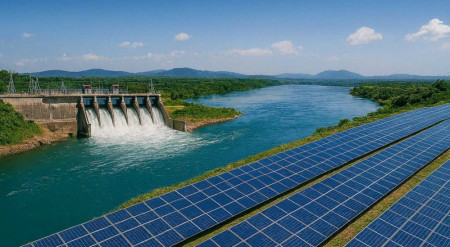
By promoting green innovation and entrepreneurship, CAMCIH hopes to mitigate such risks while stimulating economic diversification. The hub’s incubation programs will target renewable energy solutions to reduce dependence on imported fuel, sustainable farming techniques to boost food security, and digital tools for waste management and climate monitoring.
Building a Green Workforce for the Future
According to CAMCIH, the partnership with ICT University also focuses on training young innovators for emerging green economy jobs. “We believe that through this initiative we can support young entrepreneurs who have innovative ideas to address climate issues,” Awanda explained. “The values and ideas of ICT University align with the objectives we are trying to achieve.”
The International Labour Organization (ILO) estimates that Africa could create up to 60 million green jobs by 2030 through investment in renewable energy, sustainable transport, and circular economy industries.
CAMCIH’s long-term vision is to make Cameroon a regional model for climate innovation by transforming research into market-ready technologies and promoting public-private partnerships. Its activities will extend beyond academia to engage businesses, local governments, and civil society in developing scalable climate solutions.
According to Cameroon’s Ministry of Environment, Nature Protection and Sustainable Development (MINEPDED), Cameroon’s climate adaptation priorities include renewable energy development, reforestation, and low-carbon infrastructure. The establishment of the Climate Innovation Hub aligns with these national objectives while contributing to the country’s commitments under the Paris Agreement.
Mercy Fosoh

