































(Business in Cameroon) – Since 2018, Cameroon has embarked on a broad overhaul of its judicial system. The reforms align with the National Development Plan and commitments made to the United Nations and OHADA. They include rehabilitating courthouses, expanding entry exams for the National School of Administration and Magistracy (ENAM), computerizing registries, and opening mediation centers in major cities.
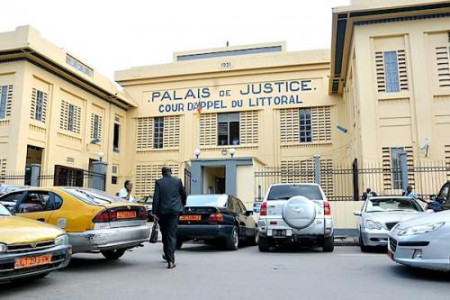
Concrete results are visible. The Ngambe courthouse in the Southwest was 90% complete by the end of 2024, while the Bali courthouse in the Northwest reached 99% completion in the third quarter of 2025. Seven other sites remain under construction, though insecurity in the Far North and budget delays continue to slow progress. According to the UN Secretary-General’s latest report, the average distance between citizens and the nearest court fell from 78 km in 2018 to 63 km in 2024.
To ease pressure on courts, the government has organized annual ENAM entrance exams. Forty new magistrates were admitted in 2023, with the same number in 2025. About 90% of the 2023 class is already in post, with the rest awaiting assignment in anglophone regions. The magistrate-to-population ratio improved from 1 per 27,000 in 2018 to 1 per 22,000 in 2025, still below OHADA’s target of 1 per 15,000.
Digitalization has progressed more slowly. The ministry abandoned plans to import Congo’s SIGAJ system and instead launched the e-Justice-CM project, backed by $10 million in financing from the African Development Bank. Forty-two registries now have computer terminals linked to the RJ-Secure judicial network, with a goal of 60 by year-end. Connectivity remains a weak point, as only 34% of Cameroonians had Internet access in 2024.
For the most vulnerable, the national legal aid program launched in 2019 handled 8,400 cases in 2024, up from 5,200 two years earlier. Fifteen legal access centers are operating in major cities, but the justice budget remains below 1% of GDP—far short of the needs of a country hosting over one million refugees.
Continuing education has expanded through ENAM and the Judicial Training School, inaugurated in 2023. In 2024, 312 magistrates received training in human rights and anti-corruption. The Inspectorate General of Judicial Services carried out 17 inspections between 2023 and 2024, leading to sanctions against 23 magistrates. Yet Cameroon still ranks 140th of 180 countries on Transparency International’s Corruption Perceptions Index.
Prison reform has also advanced. Renovation of Kondengui prison in Yaoundé, completed in 2024, added 1,500 spaces. Overcrowding eased from six times capacity in 2022 to nearly three times in January 2025, with 8,900 inmates in a facility built for 3,000. Preventive detention remains widespread, with 67% of inmates still awaiting trial.
To further reduce caseloads, 10 OHADA-recognized mediation centers now handle commercial and family disputes. In 2024, they processed 1,850 cases, with 72% ending in amicable settlements. Eleven commercial courts are fully operational, and 10 juvenile courts now each have at least one specialized judge.
After seven years of reforms, Cameroon’s judiciary is performing better, but progress remains uneven. Without greater budget support and stronger governance, the improvements risk remaining isolated pockets in a system still too slow, too costly, and too distant from citizens in rural areas.

