



















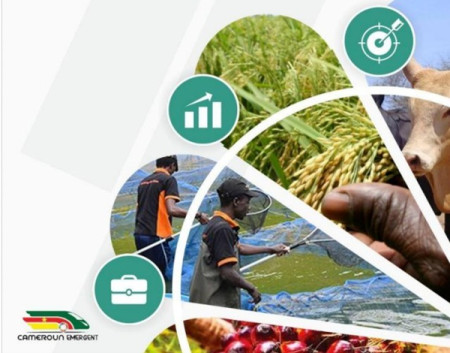
Cameroon’s Ministry of Higher Education is inviting proposals for structuring projects at the University of Bertoua within the framework of the implementation of the Integrated Agropastoral and Fisheries Import-substitution Program (PIISAH).
According to the call for applications signed on July 14, eligible projects must support agro-pastoral and fisheries value chains. They may focus on applied research, technological platforms, pilot production units, or local product processing and value addition. Proposals may also address innovation linked to import substitution or capacity building for students, lecturers and researchers.
Project submissions are open to members of the university community and must include a concept note, project objectives, expected results, a detailed provisional budget, an implementation schedule and measurable performance indicators. Applications must be submitted in both electronic PDF format and two hard copies to the secretariat of the Directorate of Academic Affairs and Cooperation of the University of Bertoua no later than July 20, 2026.
According to the CCIMA document, an ad hoc committee will carry out an internal selection before forwarding successful proposals to the Ministry of Higher Education by the official deadline of July 30, 2026.
The call is part of the implementation of PIISAH, a national program designed to reduce Cameroon’s trade deficit by replacing imported agro-pastoral and fishery products with local production. The program also seeks to support private-sector development, improve food availability and create favorable conditions for agricultural investment. According to the official PIISAH 2024-2026 framework, the program requires an estimated CFAF 1,443.56 billion in financing over the three-year period.
Government data indicate that PIISAH has become a central pillar of Cameroon’s import-substitution strategy. The Ministry of the Economy reported in 2025 that CFAF 13.55 billion had been transferred to operational institutions and the Cameroon SME Bank to support production in targeted value chains, including rice, cereals, livestock and seeds. The ministry also reported progress in land development, agricultural infrastructure and support for agro-industrial producers.
The project call also aligns with the Ministry of Higher Education’s entrepreneurship agenda. In February 2023, the government officially launched the National Status of the Student-Entrepreneur (SNEE), a framework intended to strengthen practical training, promote self-employment and encourage business creation among students and young graduates. The initiative is supported by university business incubators and entrepreneurship support structures across the country.
Mercy Fosoh

