
























Cameroon wants to strengthen the position of its cocoa and coffee exports by improving the reliability of quality testing and certification systems.
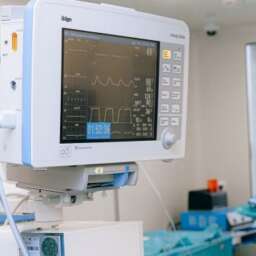
On May 22 in Douala, the National Cocoa and Coffee Board (ONCC) received new laboratory equipment provided by the United Nations Industrial Development Organization (UNIDO) with financial support from Japan.
The equipment forms part of the Project for the Promotion of International Competitiveness and Sustainability of Cameroonian Products Through Advanced Technologies, known as PICS Cameroon.
Launched in 2024, the three-year project receives CFA1.3 billion in Japanese financing. The initiative aims to modernize the ONCC’s central analysis laboratory in order to improve quality control, traceability, and product differentiation for Cameroonian cocoa and coffee.
With the new equipment, the ONCC plans to strengthen its capacity for aroma profiling, physicochemical analysis, and identification of characteristics specific to different production areas.
The broader objective is to create a sensory map of Cameroon’s cocoa and coffee production, which authorities see as a strategic tool for promoting the country’s growing regions and improving product positioning abroad.
For ONCC Director General Michael Ndoping, the modernization marks a major step forward.
According to him, the equipment will improve quality analysis while also helping scientifically document the aromatic profiles of Cameroonian cocoa and coffee so they can be marketed more effectively to international buyers. The issue has become increasingly important as export markets adopt stricter requirements.
The European Union continues to tighten agricultural traceability rules, particularly through regulations tied to imported deforestation and sanitary standards for tropical products.
In that environment, Cameroon’s ability to produce reliable, certified, and internationally recognized data could become a commercial advantage. For UNIDO, aligning the ONCC laboratories with ISO 17025 standards remains one of the project’s central goals.
The international standard defines competency requirements for testing and calibration laboratories. It guarantees the reliability of analytical results and facilitates recognition by commercial partners abroad.
According to Didime Olivier Tchoumi, UNIDO’s chief technical adviser, the PICS project also includes a training component aimed at establishing stronger quality procedures within the ONCC laboratories.
For exporters, the reform could reduce costs linked to foreign counter-analysis requirements while strengthening confidence in certifications issued locally. The modernization effort comes at a strategic moment for Cameroon’s cocoa and coffee industries.
In 2025, the country produced 309,518 tons of cocoa. Exports reached 162,257 tons and generated about CFA810.1 billion in revenue. Despite those volumes, Cameroonian cocoa still remains largely positioned in intermediate segments of the global market. Coffee production reached 11,637 tons in 2025, up 10% year over year, while export revenue stood at about CFA3.5 billion.
Competition nevertheless remains intense, especially against producers from East Africa and Latin America that already hold stronger positions in premium market segments. For the ONCC, the challenge now lies in turning product quality into stronger commercial value.
By producing more reliable analyses, identifying distinctive sensory profiles, and helping producers meet international standards, Cameroon hopes to strengthen the value of two export sectors whose competitiveness increasingly depends on traceability, certification, and recognition of production origins.
Frédéric Nonos

